Komentář Jakuba Seidlera, člena bankovní rady ČNB
Peter Laca (Bloomberg 29. 7. 2026)
Důvody pro přísnější měnovou politiku stojící za zvýšením sazeb na červnovém jednání ČNB zůstávají, souvisí zejména s přetrvávajícími poptávkovými inflačními tlaky v domácí ekonomice v kombinaci s možnými sekundárními dopady vyšších cen komodit následkem konfliktu v Íránu. Celková inflace je sice pod 2% cílem, k tomu však přispívají ceny potravin a administrativní opatření zlevňující elektřinu, jejichž protiinflační působení časem odezní, a právě na tento vzdálenější horizont cílí měnová politika.
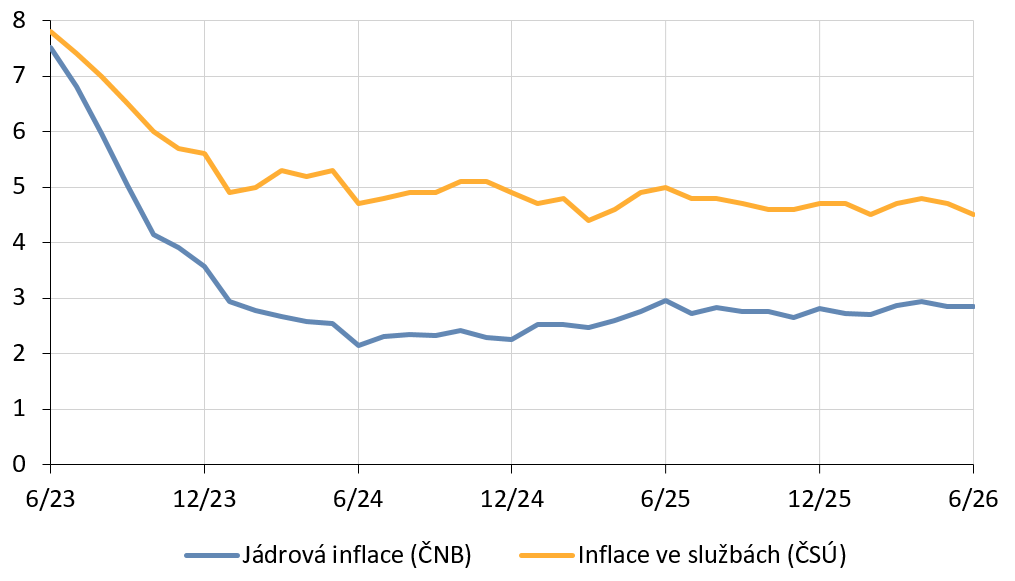
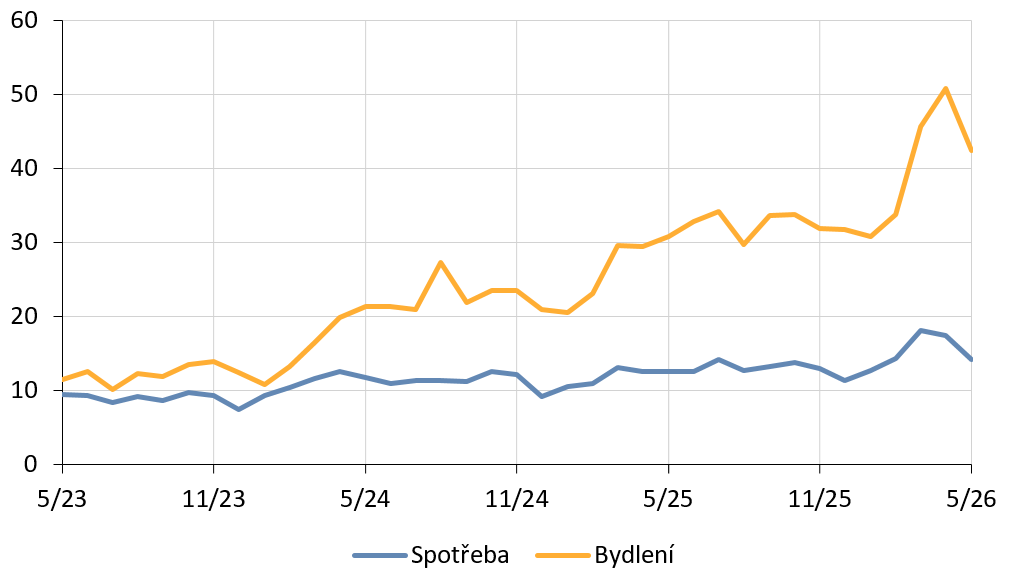
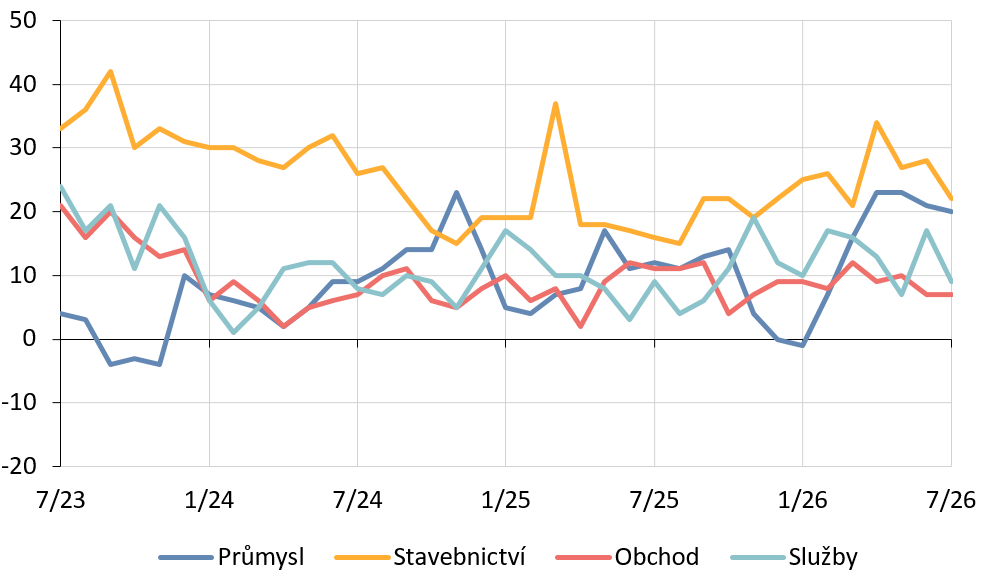
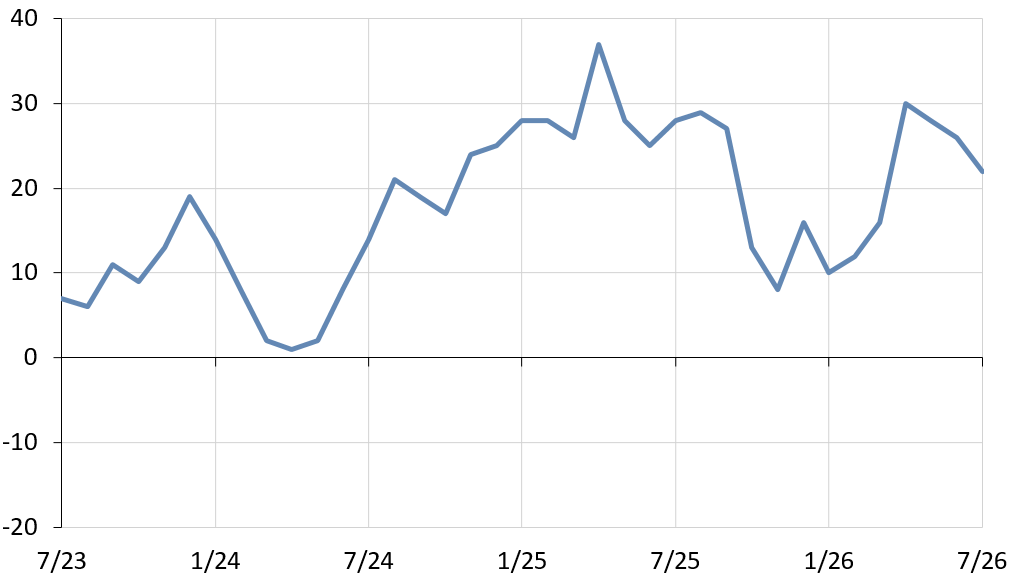
Od posledního měnového jednání však přišla některá data, která poukazují na určité zmírnění domácích proinflačních rizik – nové spotřebitelské úvěry i úvěry na bydlení po rekordně silných měsících zvolnily, očekávání budoucího růstu cen firem ve stavebnictví a službách rovněž, mírně klesly i obavy domácností z budoucího růstu cen. Pozitivní také je, že se mírně snížila momenta u cen služeb. Naproti tomu geopolitická situace nadále zůstává velmi křehká. Po uzavření dočasné dohody o příměří v červnu sice ceny energií z vysokých úrovní klesly nad očekávání rychle, opětovná eskalace napětí na Blízkém východě však znovu vedla k nárůstu nejistoty. Nově příchozí data je proto třeba hodnotit opatrně. Pro srpnové jednání se nicméně kloním k ponechání sazeb beze změny a vyčkání na další informace, a to nejen z domácí ekonomiky.
Mzdový růst rovněž zůstává silný, detailní struktura dat za růst mezd v 1. čtvrtletí však naznačuje určité anomálie v datech, např. nárůst průměrné mzdy v malých firmách o 23 % (předchozí maximum 13 %) nebo zvýšení mezd zaměstnanců, kteří pracují pro OSVČ, o téměř třetinu (předchozí maximum 16 %), které indikují, že by meziroční růst přes 8 % mohl být revidován směrem dolů. Zmíněné anomálie jsou patrně způsobené i změnami ve vykazování mzdových statistik a také podporují argument posečkat na další příchozí data.
Plné znění článku (v angličtině)
Czech central banker Jakub Seidler said he is inclined to leave interest rates unchanged next week, taking more time to gauge the domestic and global drivers of inflation.
The Czech National Bank made its first interest rate increase in four years last month due to persistent demand-driven pressures at home combined with potential second-round effects from higher commodity prices caused by the Iran conflict. Those factors remain in place, according to Seidler, who voted for the June hike.
While some data published after the last meeting suggested a certain easing in domestic price risks, the geopolitical situation remains “very fragile,” Seidler said in emailed comments to Bloomberg News. A renewed escalation of Middle East tensions has boosted uncertainty after a period of declining energy costs that followed announcement of the temporary ceasefire deal, he said.
“Therefore, the incoming data need to be assessed with caution,” Seidler said. “For the August meeting, I’m nevertheless leaning toward leaving rates unchanged and waiting for more information, and not just from the domestic economy.”
Policymakers last month raised the benchmark rate by a quarter of a percentage point to 3.75%, defying pressure from Prime Minister Andrej Babis for lower borrowing costs.
While consumer price growth slowed more than expected in June to 1.5%, the lowest reading in four months, the move was due to volatile items like food prices that cannot be relied upon in the future, the central bank said this month.
Another factor helping to bring the headline figure below the 2% target is a government measure effectively curbing electricity prices from the start of this year, whose anti-inflationary effects will disappear over time while monetary policy “is targeting precisely this longer-term horizon,” Seidler said.
Investors trimmed bets of more policy tightening after the sharp fall in oil prices in June, but they boosted those wagers again after the recent surge in Middle East tensions. Forward rate agreements now indicate expectations of about three hikes within one year, with some investors betting that the next move may come as early as at the Aug. 6 meeting.
The data backing the case for holding rates next week include a slowdown in new consumer and housing loans, after a series of record months, easing expectations about future growth in the cost of construction and services, as well as lower household concerns over future price growth, Seidler said. A slight decrease in the momentum of services prices is another positive factor, he said.
While wage growth remains strong, the detailed structure for the first quarter suggested some data anomalies that may have been partly caused by changes in the reporting of wage statistics and also support the argument for waiting for more information, Seidler said.
Graf 1 – Jádrová inflace a inflace ve službách
mzr., v %
Zdroj: ČNB, ČSÚ
Graf 2 – Čisté nové úvěry domácnostem
mld. Kč
Zdroj: ČNB
Graf 3 – Očekávaný vývoj prodejních cen v příštích 3 měsících
saldo, sezónně očištěno
Zdroj: ČSÚ
Graf 4 – Domácnostmi očekávaný vývoj cen v příštích 12 měsících
saldo, sezónně očištěno
Zdroj: ČSÚ