Monetary policy explained
Are you curious about how the Czech National Bank makes its monetary policy decisions and how these decisions affect our lives? Our series of articles will explain why and how the CNB changes interest rates, how it prepares its forecasts and how it influences the economy. You will also learn other interesting facts from the world of monetary policy – from the reasons behind the creation of the first money to the issues surrounding the future adoption of the euro in the Czech Republic. More information about the CNB’s educational activities is available at Financial and economic literacy.
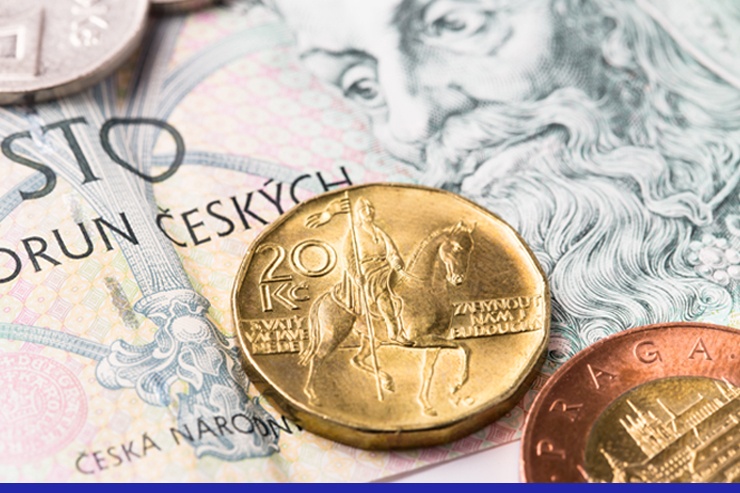
Money has a long history – from primitive means of payment, through coins and banknotes, to digital currencies. Today, money plays a key role in the economy as a medium of exchange, a unit of account and a store of value. The emergence of crypto-assets and the development of new technologies have sparked a debate on central bank digital currencies, which may profoundly change the financial system.
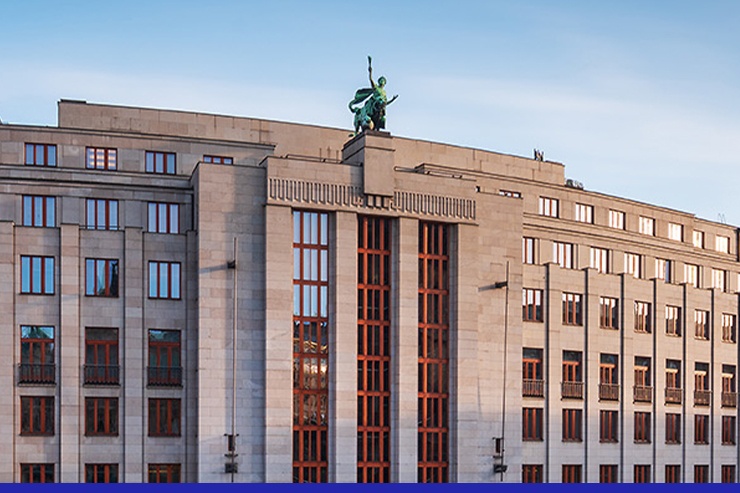
The Czech National Bank is an independent institution whose primary objective is to maintain price stability. To do so, it uses an inflation targeting regime with a 2% inflation target. In addition, the CNB maintains financial stability and sees to the sound operation of the financial system in the Czech Republic. The CNB’s independence goes hand in hand with a high degree of transparency, for which it has received several international awards.

The Czech National Bank influences the economy mainly through interest rates, which are set by the Bank Board based on a macroeconomic forecast prepared by the Monetary Department and on other supporting materials. If necessary, it may also apply other instruments to safeguard price stability and support sound economic development.

Changes to the CNB’s interest rates affect inflation and economy gradually, primarily through the interest rate and exchange rate channels. It takes time for the impact of rate changes to be felt in full. Interest rate decisions therefore need to take into account the expected future path of the economy.
The macroeconomic forecast is a key input to the Bank Board’s decision-making on the appropriate monetary policy stance. The forecast shows the most likely path of the economy over the coming years. The forecast combines outputs from a quarterly prediction model and the expert judgement of economists.
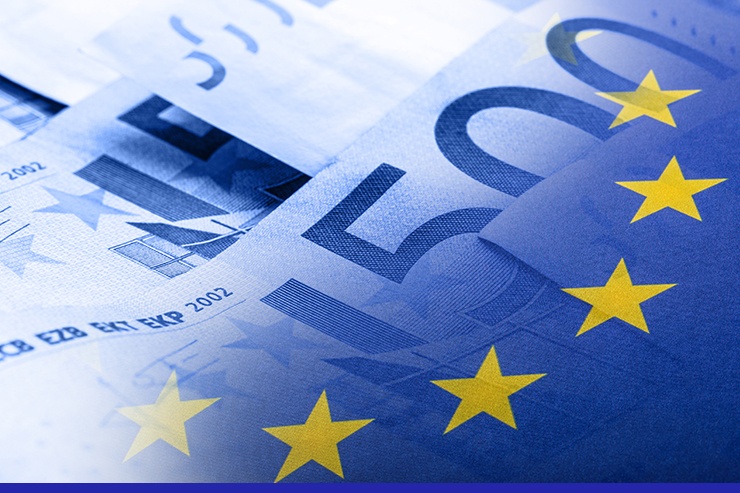
By joining the European Union, the Czech Republic committed to adopting the euro. Euro adoption is conditional upon meeting the Maastricht criteria and achieving sufficient economic preparedness. It would bring a number of advantages, such as the elimination of exchange rate risk and lower transaction costs. However, there would also be a disadvantage – the loss of independent monetary policy. The Czech government decides on the timing of euro adoption.